
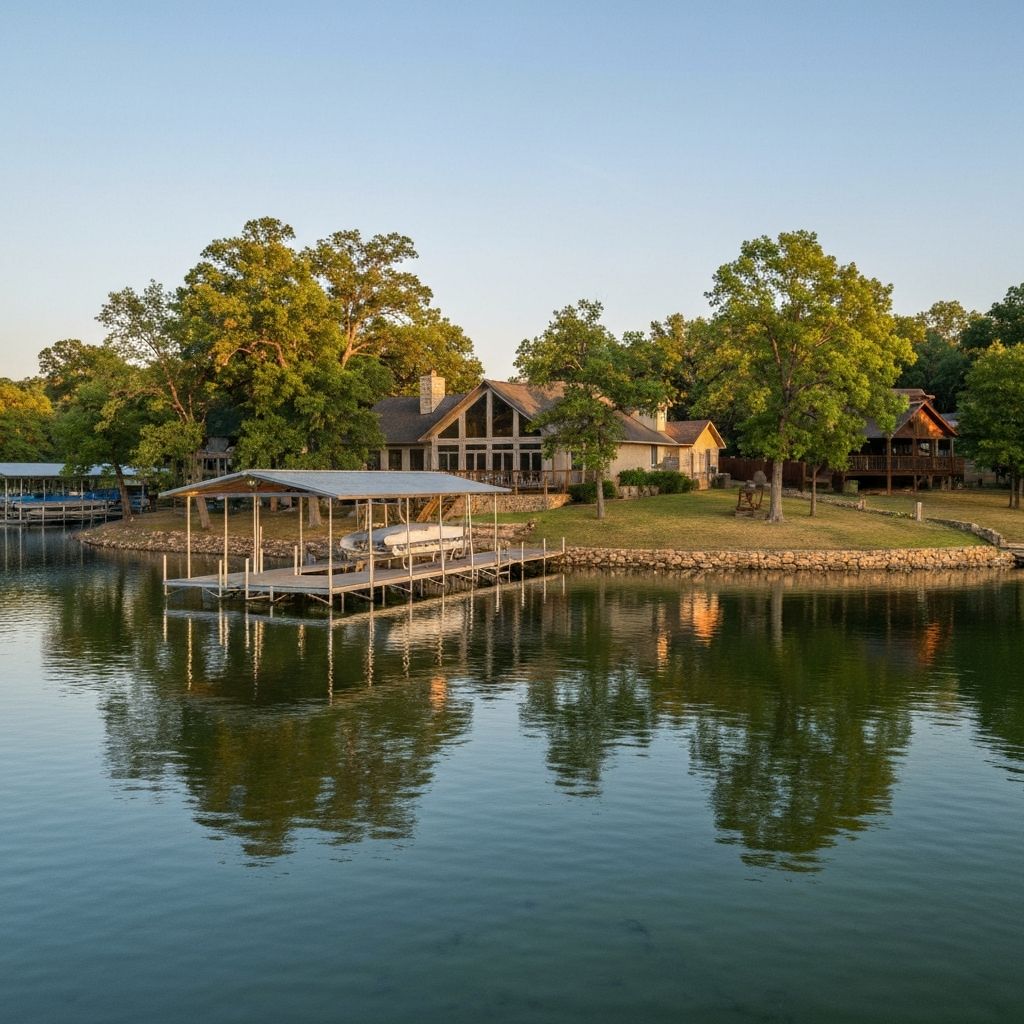
Second Homes & Vacation Properties
A practical guide to buying, owning, and managing a second home or vacation property with confidence.
What Counts as a Second Home?
A second home is typically used for personal enjoyment, seasonal use, or partial rental. Unlike an investment property that's purchased purely for income, a second home is one where the owner actually occupies it for part of the year — whether that's summer weekends at the lake, winter ski trips, or extended holiday stays.
This distinction matters because it affects everything from financing terms to tax treatment. Lenders and the IRS view second homes differently than primary residences or full-time rental properties, which means the rules around mortgages, interest rates, and deductions all shift accordingly.
One critical reality many new second-home owners overlook: you're responsible for maintenance, utilities, and seasonal upkeep even when you're not there. That means paying for electricity, water, lawn care, and emergency repairs year-round — not just during the weeks you're actually using the property. Understanding this ongoing commitment is essential before you sign on the dotted line.
Second Home Uses
Future Retirement Home
Serve as your eventual full-time residence once you retire
Family Gathering Space
Create lasting memories with a dedicated place for reunions, weekends, holidays, and celebrations
Seasonal Escape
Having a reliable retreat for weekends, holidays, or extended breaks
A second home can double as a future retirement home, allowing you to build equity and familiarity with an area before making it your permanent residence. It can also serve as a central gathering place for family celebrations, holiday traditions, or multi-generational vacations. For many owners, the value isn't purely financial — it's about creating a legacy space where memories are made year after year.
Understanding the Financial Commitment
Year-Round Expenses
Utilities, insurance, property taxes, and maintenance continue whether you're there or not.
Travel Costs
Factor in gas, flights, or vehicle wear-and-tear for regular trips to your property.
Emergency Funds
Set aside reserves for unexpected repairs, storm damage, or seasonal preparation.
Professional Guidance Essential
Tax rules are complex and change — consult a tax professional familiar with second-home ownership in your state and situation.
Additional costs you'll need to budget for include insurance (often higher for vacation properties), regular lawn care and landscaping, emergency repairs when systems fail, and travel expenses to check on or use the property. Depending on your location, you may also need storm protection, flood insurance, or enhanced fire coverage.
Oklahoma & Regional Vacation Home Markets
In Oklahoma and the surrounding region, popular vacation-home areas include Grand Lake, Broken Bow, Eufaula, and Skiatook. These areas attract second-home buyers looking for boating, fishing, hiking, and nature-focused recreation. Each market has its own character, price range, and seasonal dynamics.
Grand Lake, for instance, is well-established with strong rental demand during summer months. Broken Bow has exploded in popularity in recent years, drawing visitors seeking cabin getaways in the woods. Eufaula offers more affordable entry points, while Skiatook provides convenient proximity to Tulsa for frequent weekend use.
Insurance & Risk Protection
Insurance for a second home often costs more than coverage for your primary residence, and the requirements can be more complex. Vacation properties may require storm protection, flood insurance, or enhanced fire coverage depending on the area. If your property is in a flood zone, near wildfire-prone forests, or in a region with severe storms, expect both higher premiums and stricter coverage requirements.
Second homes typically cost 30% more to insure than primary residences
Are water-related (leaks, floods, frozen pipes) in vacation properties
Many policies require check-ins if vacant this long to maintain coverage
Standard homeowners insurance may not fully cover a property that sits vacant for extended periods. Some policies require regular check-ins or visits to maintain coverage, while others have specific vacancy clauses that limit protection after a certain number of days unoccupied. If you're planning to leave the property empty for months at a time, read your policy carefully and discuss your situation with your insurance agent to avoid coverage gaps.
Location-Specific Maintenance Challenges
The location of your second home dramatically affects your maintenance workload and costs. Properties near lakes, rivers, or wooded areas tend to have higher maintenance needs due to humidity, pest activity, storm damage, and seasonal weather impacts. If your property sits near water, you're looking at dock maintenance, possible flooding risks, and increased moisture-related issues like mold or wood rot.
Seasonal Weather Impacts
Winterization for cold climates, storm prep for coastal areas, and humidity control year-round.
Pest & Wildlife Management
Wooded or rural properties attract rodents, insects, and sometimes larger animals requiring ongoing control.
Distance & Accessibility
How easily can you reach the property for emergency repairs or routine maintenance checks?
Professional Management
Consider whether you'll self-manage or hire a property manager to handle regular upkeep in your absence.
Owners must factor in travel distance, accessibility, and how local climate patterns affect the property throughout the year. A cabin in the woods requires different planning than a beachside condo — and both demand more attention than many first-time buyers anticipate. Seasonal preparation, like winterizing pipes or storm-proofing windows, becomes part of your annual routine.
Understanding Rental Income Potential
Many second-home buyers hope to offset costs through rental income, but the reality is more nuanced than listing your property online and watching the bookings roll in. Rental success depends on location, seasonality, local competition, marketing effort, and your willingness to manage (or pay someone to manage) the rental process.
Peak season in lake areas might bring strong rental demand for 10-12 weeks, but the rest of the year could be quiet. That means your annual rental income is concentrated in a short window, and you'll need to price strategically to compete with other properties while still covering your costs.
Remember that rental income comes with responsibilities: cleaning between guests, restocking supplies, handling maintenance requests, and responding to booking inquiries. If you're using a property manager, their fees (typically 10-25% of rental income) will eat into your returns. And don't forget: rental income is taxable, so factor that into your calculations when projecting whether rentals will actually offset your costs or just reduce them slightly.
Tax & Financial Considerations
The tax treatment of your second home depends heavily on how you use it. Rental income may be taxable depending on the number of days you rent the property per year. The IRS has specific thresholds that determine whether your second home is treated as a personal residence, a rental property, or something in between — and those classifications directly impact what you can deduct.
Mortgage interest may or may not be deductible depending on IRS occupancy thresholds and how the property is classified. The rules around interest deductions have changed in recent years, and they're not as straightforward as they once were for second homes. Some owners assume they'll get the same tax benefits as their primary mortgage, only to discover limitations during tax season.
Rental Income Taxation
Income from short-term or seasonal rentals is typically taxable and must be reported.
Interest Deduction Limits
Mortgage interest deductibility varies based on how you use and occupy the property.
Professional Guidance Essential
Tax rules are complex and change — consult a tax professional familiar with second-home ownership.
Risks You Should Understand
Second homes come with real risks that go beyond the usual homeownership challenges. One of the biggest: your property can sit vacant for long periods, increasing vulnerability to undetected problems. A pipe can burst in January, and if no one checks on the house for weeks, you're looking at catastrophic water damage by the time you discover it.
Vacancy Vulnerability
Empty homes are targets for break-ins, vandalism, and go unmonitored during weather events.
Maintenance Delays
Small issues become expensive problems when you can't address them immediately.
Market Fluctuations
Vacation markets can be more volatile than primary-residence neighborhoods.
Liquidity Concerns
Second homes can be harder to sell quickly if you need to liquidate the asset.
Should You Buy a Second Home?
You might be ready if:
- You visit the same area multiple times per year and plan to continue
- You have stable income and can comfortably cover two mortgages plus carrying costs
- You're prepared for year-round financial commitment regardless of rental income
- You have a plan for maintenance and management, whether DIY or hired help
- You've researched local rental rules and understand tax implications
- You're thinking 5-10+ years, not a quick flip
Proceed with caution if:
- You're stretching financially to make the purchase work
- You're counting on rental income to cover the mortgage
- You haven't visited the area in multiple seasons to understand year-round realities
- You're too far away to check on the property regularly or respond to emergencies
- You're assuming appreciation will bail out a thin financial margin
- You haven't confirmed rental legality or calculated true carrying costs
The decision ultimately comes down to honest self-assessment about your finances, lifestyle, and long-term goals. A second home should enhance your life, not create stress or financial strain. Take the time to run the numbers, visit the area in different seasons, talk to current owners, and think through the realities of ownership beyond the dream of weekend getaways.
Your Second Home Decision Checklist
Financial Readiness
Can you afford a higher down payment (10-20%+) and maintain two mortgages comfortably?
Carrying Costs Calculated
Have you budgeted for year-round utilities, insurance, maintenance, and travel expenses?
Location Research Complete
Have you visited the area in multiple seasons and researched local rental restrictions?
Management Plan in Place
Do you have a realistic strategy for maintenance, cleaning, and guest management (if renting)?
Tax Professional Consulted
Have you spoken with a tax advisor about deductions, rental income, and IRS thresholds?
Insurance Coverage Reviewed
Have you confirmed adequate coverage for vacancy, weather risks, and liability?
Long-Term Vision Clear
Is this a 5-10+ year commitment aligned with retirement plans or family needs?
Rental Expectations Realistic
If planning to rent, have you researched seasonal demand and competition honestly?
Let's Talk About Your Second Home Goals
Thinking about a second home — whether for weekends, retirement, or extra income? Let's talk through your options and make sure it's the right move for your goals and your lifestyle.
I work with buyers throughout the Tulsa area and popular vacation markets like Grand Lake, Broken Bow, and beyond. My job is to help you see the full picture — not just the dream, but the reality — so you can make a confident, informed decision.
Morgan Tipton
Realtor® | Tulsa, OK
mtipton@axenrealty.com
(918) 857-0084
www.morgantipton.com
Instagram: @morgantipton.realtor