Inspections & Appraisals Explained
From roof to foundation, inspections and appraisals are where your investment gets validated. They’re not meant to scare you — they’re meant to protect you and give you confidence in one of life’s biggest decisions.
Why Inspections and Appraisals Matter
Understanding the inspection and appraisal process is crucial for every Tulsa homebuyer. These aren’t obstacles designed to derail your purchase — they’re essential safeguards that protect your investment and provide peace of mind.
Knowing what to expect at each stage, how to interpret findings, and when to take action keeps everything on track. The right knowledge transforms uncertainty into confidence, helping you move forward wisely with eyes wide open.
Understanding the Home Inspection
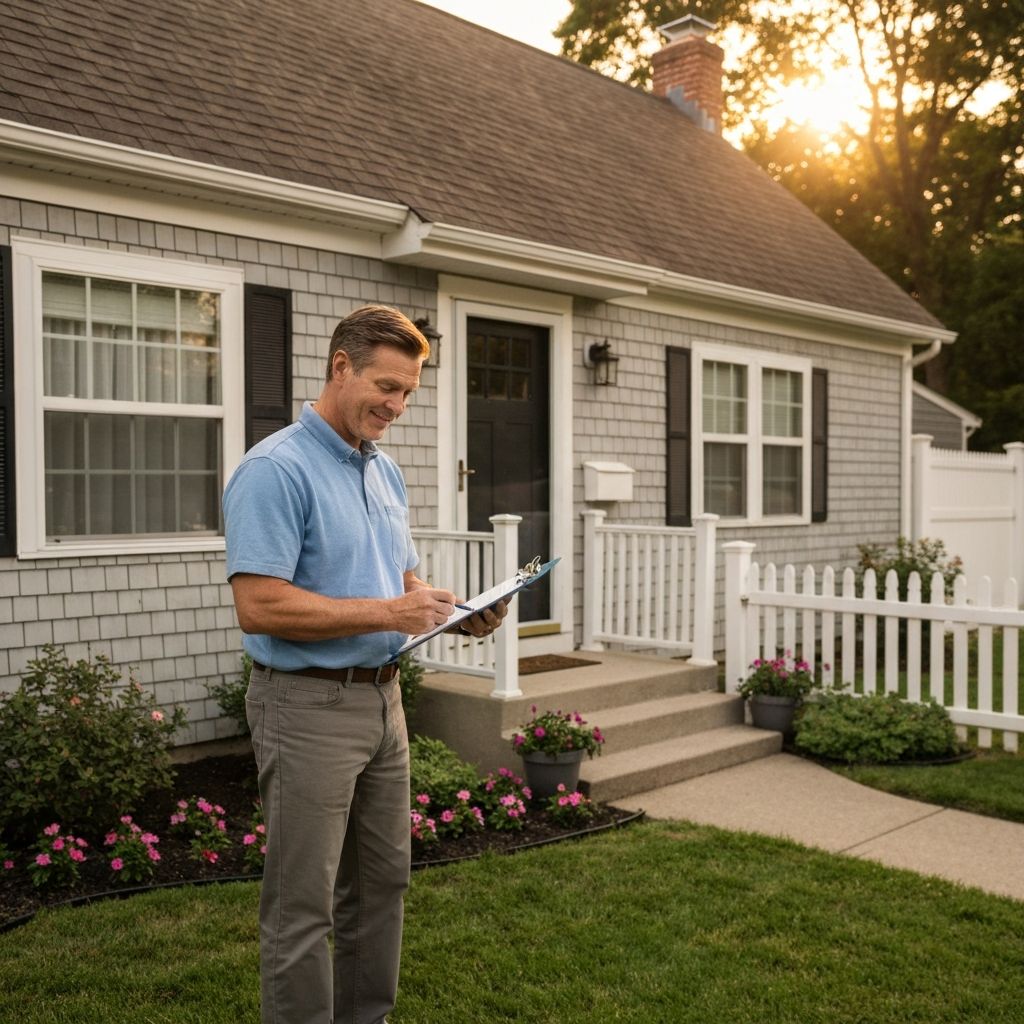
A home inspection is your deep dive into the property’s true condition. It’s typically ordered right after you go under contract and is paid for by the buyer. This comprehensive evaluation gives you a clear picture of what you’re actually buying.
Purpose
To identify issues that may affect safety, functionality, or long-term value
Timing
Within 7-10 days of contract acceptance
Who Pays
Buyer pays the cost, which ranges from $300-$800
Appraisers use a Comparable Sales (Comps) method — comparing your home to nearby recent sales with similar age, size, and condition. They make adjustments for upgrades, extra features, lot size, or condition differences to arrive at a fair market value.
Cost Range
$400-$700, depending on home size and add-ons
Types of Inspections Available
Different properties and situations call for different types of inspections. While a general home inspection covers the basics, specialized inspections can reveal hidden issues specific to Oklahoma homes and Tulsa's unique conditions.
| Type | What's Covered | Why It Matters |
|---|---|---|
| General Home Inspection | Structural, roof, plumbing, HVAC, electrical, foundation | A full overview of the home's condition |
| Structural/Foundation Inspection | Engineer-level evaluation of cracks, settling, drainage, piers | Tulsa's clay soil makes this one common and worthwhile |
| Roof Inspection | Roofing materials, flashing, gutters, attic moisture | Oklahoma storms cause frequent roof damage |
| Pest/Termite Inspection | Termite activity, damage, or moisture entry | Wood rot and termites are common in older neighborhoods |
| Sewer/Septic Inspection | Camera inspection of drain lines | Reveals tree root intrusion or line collapse |
| HVAC Inspection | Tests heating, cooling, and efficiency | Verifies system life expectancy and replacement cost |
| Mold or Radon Test | Air quality and safety | Optional but valuable for sensitive buyers |
What Inspectors Look For
Professional inspectors follow a systematic approach, examining every major system and component of the home. Understanding what they’re looking for helps you ask better questions and interpret the final report with confidence.
Exterior
Foundation stability, siding condition, drainage slope, grading quality, and the condition of decks or patios
Roof & Attic
Shingle age and condition, flashing integrity, vents, signs of leaks, insulation quality, and proper attic ventilation
Interior
Windows, doors, flooring, walls, ceilings, moisture signs, and attic access points
Systems
Electrical panels, GFCI outlets, breaker capacity, water heater function, plumbing for leaks, and HVAC condition
Safety Items
Smoke detectors, carbon monoxide alarms, handrail stability, and potential trip hazards throughout the property
Common Tulsa-Area Issues
Every region has its unique challenges, and Tulsa is no exception. Understanding the most common inspection findings in our area helps you know what to expect and what questions to ask before you even see the report.
These issues aren’t dealbreakers — they’re simply part of buying a home in Oklahoma. The key is knowing which ones matter most and how to address them effectively.
Clay Soil Expansion
Causes small foundation shifts — common but manageable with proper maintenance and monitoring
Storm Roof Wear
Hail and wind damage are frequent inspection findings due to Oklahoma’s severe weather patterns
Old Plumbing
Galvanized or polybutylene pipes in homes built pre-1995 may need replacement
Electrical Panels
Outdated Federal Pacific or Zinsco panels often flagged for replacement due to safety concerns
Drainage and Grading
Flat yards cause water pooling and crawlspace moisture, especially after heavy rains
Deferred Maintenance
Common in investor flips — look carefully for cosmetic ‘cover-ups’ hiding real issues
After the Inspection: Your Options
Once you receive the inspection report, you’ll need to make an important decision about how to proceed. This isn’t the time to panic over every minor issue — it’s your opportunity to make an informed choice based on facts and expert guidance.
Remember, nearly every home will have some findings. The question isn’t whether issues exist, but whether they’re significant enough to warrant action. Your real estate agent will help you distinguish between deal-breakers and normal wear and tear.
Accept As-Is
Proceed without repairs if issues are minor or already factored into your offer
Request Repairs (through the TRR)
Ask seller to fix or credit major issues that affect safety or value
Walk Away
Cancel the contract if findings exceed your comfort level or budget
Making Effective Repair Requests
Smart Negotiation Strategies
When requesting repairs, focus strategically on items that truly matter. Sellers are more likely to agree to reasonable requests that address legitimate safety or structural concerns rather than cosmetic preferences or minor maintenance items.
Consider negotiating for closing cost credits instead of completed repairs. This approach gives you control over the work quality, lets you choose your own contractors, and keeps the closing timeline on track without delays from repair scheduling.
Focus On:
- Health and safety hazards
- Structural integrity issues
- Major system failures (HVAC, electrical, plumbing)
- Roof damage requiring immediate attention
- Foundation problems affecting stability
Avoid Requesting:
- Cosmetic fixes or aesthetic preferences
- Normal wear and tear items
- Minor maintenance tasks
- "Wishlist" upgrades unrelated to condition
The Appraisal Process
Once inspection negotiations are handled, your lender orders an appraisal. This independent evaluation verifies that the home’s market value matches or exceeds the agreed purchase price — protecting both the lender’s investment and yours from overpaying.
Timeline
Usually within 1-2 weeks after the inspection period ends
Who Pays
Buyer pays the cost, which ranges from $500-$800
Purpose
To protect both lender and buyer from overpaying for the property
Understanding Appraisal Adjustments
Appraisers don’t just look at square footage and bedroom count. They make careful adjustments based on features, condition, and location differences between your home and the comparable properties they’re using for valuation.
Property Features
Pools, garages, finished basements, and outdoor living spaces add value. Appraisers adjust comparables up or down based on these features.
Age & Condition
Newer homes or recently renovated properties receive positive adjustments. Deferred maintenance results in negative adjustments to value.
Location Factors
Proximity to schools, shopping, highways, and desirable neighborhoods impacts value significantly in the Tulsa market.
Upgrades & Systems
Updated kitchens, bathrooms, flooring, HVAC systems, and energy-efficient features increase appraised value compared to dated comparables.
When Appraisals Come In Low
If the appraised value comes in lower than the contract price, don’t panic. This happens more often than you think, especially in competitive markets where emotions can drive prices higher than comparable sales support.
You have several viable options to keep the deal moving forward, and your real estate agent and lender will guide you through the best approach based on your specific situation and financial comfort level.
Renegotiate Price
Ask seller to lower the price to match the appraised value
Pay the Difference
Bring extra cash to closing to cover the gap (common in competitive offers)
Split the Gap
Meet in the middle by sharing the difference with the seller
Dispute Appraisal
Provide better comparable sales to challenge an undervalued appraisal
Walk Away
Cancel if your appraisal contingency allows and the gap is too large
Timeline Overview: Inspections to Closing
Understanding the typical timeline helps set realistic expectations and keeps your transaction moving smoothly. While every deal is unique, here’s what most Tulsa homebuyers can expect from contract to closing day.
Schedule home inspection immediately after going under contract
Receive inspection report and decide on repair requests
Negotiate repairs or credits with seller
Appraisal ordered and completed by lender
Receive appraisal results and address any issues
Final walkthrough and prepare for closing
Keep in mind that delays can happen — especially during busy spring and summer markets. Stay in close communication with your real estate agent, lender, and title company throughout the process.
Key Takeaways for Success
Navigating inspections and appraisals doesn’t have to be stressful when you know what to expect and have the right team supporting you. These essential checkpoints protect your investment and give you confidence in your purchase decision.
Act Quickly
Schedule your inspection immediately after going under contract to keep your timeline on track and preserve all your contingency rights.
Stay Calm
Read the inspection report carefully without panic. Don't overreact to minor issues or typical wear and tear that's normal for the home's age.
Prioritize Wisely
Focus repair requests on items that affect safety, structural integrity, or major systems. Save cosmetic wishes for after you own the home.
Plan Your Time
Expect 1-2 weeks between receiving inspection results and getting appraisal results. Build buffer time into your plans.
Communicate Constantly
Keep your financing team, real estate agent, and all parties in the loop throughout the entire process to avoid surprises.
Feeling Unsure About Inspections or Appraisals? You Don’t Have to Navigate This Alone
Don’t stress about the inspection and appraisal process — I’ll help you interpret reports, negotiate repairs effectively, and handle appraisals with confidence so nothing catches you off guard.
- Deep local knowledge and a commitment to protecting your interests
- Guide you through every step of the inspection and appraisal process
- From interpreting complex reports to negotiating repairs and challenging low appraisals
- Whether you’re a first-time buyer or moving up to your dream home